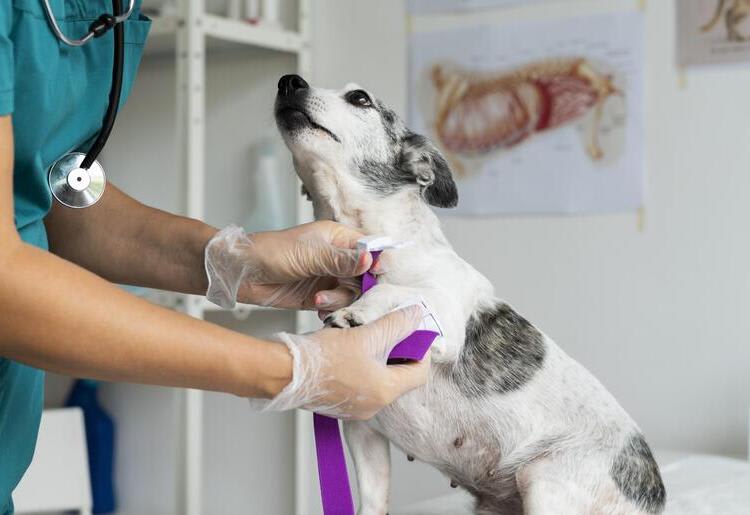
Vet bills can be unpredictable—but pet insurance helps you plan ahead.
Whether your dog eats something it shouldn’t or your
cat develops a chronic illness, the right pet insurance plan can cover thousands in vet expenses.
In this guide, you’ll learn exactly what pet insurance typically
covers, what’s excluded, what optional add-ons exist, and how to pick the right policy for your pet’s
health and your budget.
Key Insights
Pet insurance typically covers accidents, illnesses, emergency care,
surgeries, diagnostics, and prescriptions.
Pre-existing conditions, elective procedures, wellness care, and breeding
are usually excluded.
Some plans offer optional wellness add-ons for vaccines, dental care, and
alternative therapies.
Comparing providers and customizing coverage helps pet owners maximize value
and minimize out-of-pocket expenses.
What Services Does Pet Insurance Usually Cover?
Pet insurance typically covers six main areas: accidents and injuries, illnesses and diseases, emergency care,
diagnostic tests and procedures, surgeries, prescription medications, and specialist treatments.
Here's what each area includes:
Covered vs. Not Covered: Quick Overview
Typically Covered by Pet Insurance
Typically Not Covered by Pet Insurance
Accidents and injuries
Pre-existing conditions
Emergency surgery
Routine wellness care
Cancer treatment
Cosmetic procedures
Diagnostic tests (X-rays, MRIs)
Breeding and pregnancy
Prescription medications
Behavioral training
Specialist consultations
Grooming and nail trimming
Chronic disease management
Elective dental cleanings
Accidents and Injuries
Broken bones and fractures: Emergency orthopedic
injuries from falls, car accidents, or high-impact activities that require immediate surgical intervention.
Cuts, wounds, and bite injuries: Lacerations from
fights with other animals, sharp objects, or accidents that need stitches or wound care.
Swallowed foreign objects: Emergency removal of
toys, socks, bones, or household items that cause intestinal blockages requiring surgery.
Poisoning incidents: Treatment for ingestion of
chocolate, xylitol, antifreeze, or other toxic substances requiring immediate veterinary intervention.
Burns, sprains, and traumatic injuries: Heat
burns, chemical exposure, ligament tears, and other sudden physical trauma needing medical treatment.
According to Dr. Wong, common veterinary procedures can vary
significantly in cost:
Medical Issue
Treatment
Cost Range
Vomiting/diarrhea
Basic diagnostics (x-rays, bloodwork)
$500 - $700
Foreign body ingestion
Surgical removal
$4,000 - $6,000
Gastric dilatation-volvulus (bloat)
Emergency surgery
$8,000 - $12,000
Here's how pet insurance can help with these costs:
Medical Issue
Total Cost
With Insurance (80% coverage)
Your Cost
Savings
ACL surgery
$4,000
$3,200 covered
$800
$3,200
Foreign body removal
$5,000
$4,000 covered
$1,000
$4,000
GDV/bloat surgery
$10,000
$8,000 covered
$2,000
$8,000
Cancer treatment (annual)
$8,000
$6,400 covered
$1,600
$6,400
Basic diagnostic workup
$600
$480 covered
$120
$480
* Assumes $500 annual deductible
already met and 80% reimbursement rate
Illnesses and Diseases
Cancer treatment: Comprehensive care including
chemotherapy, radiation therapy, tumor removal surgery, and ongoing oncological monitoring.
Chronic conditions: Long-term management of
diabetes, arthritis, heart disease, kidney disease, and other conditions requiring lifelong treatment.
Infections: Bacterial, viral, and fungal
infections affecting the ears, urinary tract, respiratory system, and other body systems.
Digestive problems: Gastrointestinal issues,
including inflammatory bowel disease, gastroenteritis, pancreatitis, and food allergies.
Skin conditions: Dermatological issues like
severe allergies, dermatitis, hot spots, and autoimmune skin disorders.
Hereditary and congenital conditions:
Breed-specific genetic disorders like hip dysplasia, heart murmurs, and eye conditions (coverage varies by
policy).
Expert Quote
"As a veterinarian who has worked in both Emergency Room and General Practice
settings, I've seen clients struggle with unexpected bills ranging from critical bloat cases to routine
laceration repairs. Many veterinary practices now require upfront payment, and without the means to pay, pets
often don't receive the care they need."
Dr. Loke Jin Wong, Associate Veterinarian at Murraysville Veterinary Associates.
Emergency Pet Insurance Coverage
Emergency room visits: After-hours urgent care
for life-threatening conditions, severe injuries, or sudden illness requiring immediate attention.
Overnight hospital stays: Multi-day intensive
care monitoring for critical conditions, post-surgical recovery, or stabilization treatment.
Emergency surgery: Urgent surgical procedures for
bloat, internal bleeding, severe trauma, or other conditions requiring immediate intervention.
After-hours veterinary care: Weekend and holiday
emergency services when regular veterinary clinics are closed.
Diagnostic Tests and Procedures
X-rays and imaging: Digital radiographs, MRIs, CT
scans, and ultrasounds are used to diagnose internal injuries, tumors, or organ problems.
Blood work and laboratory tests: Complete blood
panels, urinalysis, thyroid testing, and specialized lab work to identify diseases and monitor health.
Biopsies and tissue samples: Surgical removal and
laboratory analysis of suspicious lumps, skin lesions, or organ tissue for cancer diagnosis.
Endoscopy and other diagnostic procedures:
Internal camera examinations of the digestive tract, airways, or other body cavities to identify problems.
Surgeries
Emergency surgical procedures: Life-saving
operations for trauma, bloat, internal bleeding, or other critical conditions requiring immediate surgery.
Tumor removal and cancer surgery: Surgical
excision of cancerous masses, lymph node removal, and reconstructive procedures following cancer treatment.
Orthopedic surgery: Bone fracture repair, ACL
reconstruction, hip dysplasia correction, and other skeletal system surgical interventions.
Soft tissue surgery: Internal organ repairs,
spleen removal, gallbladder surgery, and other procedures involving internal organs and tissues.
Prescription Medications
Antibiotics and pain medications: Essential drugs
for treating infections, managing post-surgical pain, and providing comfort during illness recovery.
Long-term medications: Daily medications for
chronic conditions like diabetes insulin, heart medications, and arthritis management drugs.
Specialty medications: Expensive targeted
therapies for cancer treatment, autoimmune disorders, and rare conditions requiring specialized drugs.
Therapeutic diets: Prescription foods designed to
manage specific health conditions like kidney disease, allergies, or digestive disorders (coverage varies).
Specialist Treatment
Dermatology: Advanced skin condition treatment
for severe allergies, autoimmune disorders, and complex dermatological diseases requiring specialized care.
Cardiology: Heart condition diagnosis and
treatment, including echocardiograms, cardiac catheterization, and management of congenital heart defects.
Oncology: Comprehensive cancer care including
staging, chemotherapy protocols, radiation therapy, and ongoing cancer monitoring by veterinary oncologists.
Orthopedic specialists: Advanced bone and joint
surgery for complex fractures, joint replacements, and specialized procedures beyond the general practice
scope.
Ophthalmology: Eye surgery and treatment for
cataracts, glaucoma, retinal detachment, and other vision-threatening conditions requiring surgical
intervention.
Alternative and Specialty Therapies
Acupuncture and chiropractic care: Traditional
Chinese medicine and spinal manipulation therapy for pain management, mobility improvement, and holistic
wellness.
Physical therapy and rehabilitation: Structured
exercise programs, underwater treadmills, and therapeutic activities for post-surgical recovery and chronic
condition management.
Hydrotherapy treatments: Water-based exercise
therapy in specialized pools or underwater treadmills for joint mobility and muscle strengthening.
Behavioral therapy sessions: Professional
counseling for anxiety, aggression, and other behavioral issues that require specialized intervention beyond
basic training.
Holistic and integrative treatments:
Complementary medicine approaches including herbal medicine, massage therapy, and other alternative healing
modalities.
Pet insurance eliminates the financial worry when specialty care
becomes necessary. Dr. Wong explains that as a general practitioner, he sometimes encounters cases beyond his
clinic's capabilities. "When we can't adequately diagnose or treat a patient's condition, we
refer to specialist partners," he says.
While specialists cost more than general practice visits, they offer
targeted expertise that makes the difference for complex cases. These veterinary specialists have access to
advanced imaging like MRI and CT scans, and they follow specialized protocols. "Whether it's
chemotherapy for cancer patients or long-term management of chronic dermatologic conditions, specialists provide
care that general practices simply can't match," says Dr. Wong.
What Pet Insurance Typically Doesn’t Cover
Pet insurance typically excludes five main categories: pre-existing
conditions, cosmetic and elective procedures, routine wellness care, breeding and pregnancy costs, and behavioral
issues. Understanding these exclusions is crucial for setting realistic expectations:
Pre-Existing Conditions
Any health issue your pet had before coverage begins is typically
excluded permanently. This includes:
Diagnosed conditions: Any illness, injury, or
disease that appears in your pet's medical records before the policy's effective date.
Symptoms: Clinical signs or symptoms that were
noted by a veterinarian before coverage started, even if not yet diagnosed.
Conditions: Related health issues that develop
from or are connected to pre-existing problems, often called "bilateral conditions."
"A pre-existing condition is any illness or medical issue
that's been previously seen and treated by a veterinarian. In veterinary medicine, there's a gray
area—an acute upset stomach shouldn't count as pre-existing unless it's part of a chronic GI condition.
True pre-existing conditions are typically chronic diseases requiring ongoing monitoring and treatment," says
Wong.
Cosmetic and Elective Procedures
Tail docking and ear cropping: Surgical
procedures performed for appearance rather than medical necessity, typically done on young puppies.
Declawing: Surgical removal of cat claws
that's considered elective and is banned in many jurisdictions for ethical reasons.
Cosmetic dental procedures: Teeth cleaning,
whitening, or other dental work performed purely for aesthetic reasons rather than health necessity.
Grooming and nail trimming: Routine maintenance
procedures that are considered part of regular pet care rather than medical treatment.
Routine Wellness Care
Most basic plans exclude preventive care, though some insurance
companies provide reimbursement/coverage for routine wellness care through add-on plans. For example:
Annual vaccinations: Core vaccines like DHPP,
rabies, and bordatella that prevent common diseases and are required by law in many areas.
Flea, tick, and heartworm prevention: Monthly
preventive medications that protect against parasites but are considered routine maintenance rather than
treatment.
Routine dental cleanings: Annual professional
teeth cleaning performed under anesthesia to prevent dental disease and maintain oral health.
Spaying and neutering: Elective surgical
sterilization procedures are typically performed on young, healthy animals for population control.
Microchipping: Permanent identification implants
that help reunite lost pets with owners but are considered elective rather than a medical necessity.
Breeding and Pregnancy
Breeding costs and stud fees: Expenses associated
with intentional mating, artificial insemination, and fees paid for breeding services.
Pregnancy and whelping complications: Medical
issues during normal pregnancy, labor complications, and routine birthing assistance for planned litters.
C-sections: Surgical delivery procedures, except
when performed as true medical emergencies unrelated to planned breeding activities.
Puppy/kitten care: Veterinary care for newborn
animals, including initial health checks, vaccinations, and treatment of congenital issues.
Behavioral Issues
Training and behavioral modification:
Professional training services, obedience classes, and behavioral therapy sessions to address aggression or
anxiety.
Anxiety medications: Prescription drugs for
behavioral issues like separation anxiety, noise phobias, or stress-related disorders (some policies offer
exceptions).
Destructive behavior consequences: Property
damage, injuries to other pets or people, and veterinary care resulting from behavioral problems.
Pro tip: Exclusions vary
significantly between insurance providers. Always read the fine print and ask specific questions about your
pet's potential health risks.
"Pre-existing conditions are a very common category of
misunderstood exclusions. A lot of owners only start to think about medical insurance when they run into a chronic
medical condition that starts to cost them a lot of money over time. Unfortunately, these conditions are not
covered because they’re considered pre-existing.
Other distinctions that should be clarified are what vaccines are
covered, such as core vaccines versus elective vaccines; urgent care visits versus emergency room visits; elective
versus medically necessary procedures," says Dr. Wong.
Pet Insurance Optional Add-Ons and Wellness Plans
While basic pet insurance policies focus on accidents and illnesses,
many insurers offer optional add-ons and wellness plans that can extend coverage to routine preventive care. These
additional riders typically cost extra but can provide valuable coverage for vaccinations, annual exams, dental
cleanings, and alternative therapies that aren't included in standard policies.
Top Pet Insurance Add-Ons
Add-On Type
What’s Included
Typical Cost
Best For
Wellness rider
Annual exams, vaccines, preventatives
+$15-30/month
Proactive pet owners
Dental coverage
Cleanings, extractions, oral surgery
+$10-20/month
Older pets, small breeds
Alternative therapy
Acupuncture, physical therapy, chiropractic
+$5-15/month
Active pets, chronic conditions
Behavioral Coverage
Training, anxiety medications, therapy
+$8-18/month
Rescue pets, anxiety-prone breeds
Higher Limits
Increased annual/lifetime maximums
+$10-25/month
High-risk breeds, multiple pets
Wellness and Preventive Care Riders
Routine vaccinations: Core and non-core vaccines,
including DHPP, rabies, bordatella, Lyme disease, and feline leukemia administered annually or as recommended.
Annual health exams: Comprehensive wellness
checkups including physical examination, weight monitoring, and early disease detection screenings.
Flea, tick, and heartworm preventatives: Monthly
prescription medications that protect against dangerous parasites and vector-borne diseases.
Routine dental cleanings: Professional teeth
cleaning under anesthesia to remove tartar, prevent periodontal disease, and maintain oral health.
Spaying/neutering procedures: Surgical
sterilization operations are typically performed on young animals to prevent reproduction and reduce certain
health risks.
Microchipping services: Permanent identification
implant insertion with registration services to help reunite lost pets with their families.
"Dental care isn't something every pet owner considers, but
it's crucial for your pet's health. As pets age, they naturally develop tartar and periodontal disease
since we can't brush their teeth daily like our own. Most pets need professional cleanings annually or
biannually.
These procedures can be expensive, especially with extractions, and
many owners face large bills when they delay preventive care. Senior pets getting their first dental
cleaning—called COHAT—often cost in the high hundreds to low thousands," says Wong.
Enhanced Pet Insurance Coverage Options
Higher annual limits: Increased maximum coverage
amounts or unlimited annual benefits that provide more comprehensive financial protection for expensive
treatments.
Lower deductibles: Reduced out-of-pocket expenses
before insurance coverage begins, allowing for more immediate financial relief during treatment.
Higher reimbursement percentages: Increased
coverage rates up to 100% of eligible expenses, meaning less money paid directly by the pet owner.
Shorter waiting periods: Reduced time between
policy enrollment and when coverage becomes active, providing faster access to benefits.
Pro tip: Calculate whether
wellness add-ons are cost-effective by comparing the annual premium increase to your typical yearly preventive
care costs.
"Prevention is the best medicine. This is particularly true as we
know that as our pets age, the chances of them getting sick increase, which in turn almost always leads us to
spend more on their healthcare. In my personal and professional opinion, prevention can help us avoid hefty and
unexpected bills in the future. Insurance plans that support and reimburse preventative medicine, procedures, and
protocols are the way to go," says Dr. Wong.
How To Choose The Right Pet Insurance Plan
Selecting the right pet insurance policy requires evaluating both your
pet's specific needs and your financial situation. With dozens of providers offering different coverage
levels, deductibles, and reimbursement rates, the decision can feel overwhelming.
The key is to systematically assess your pet's risk factors,
understand policy details, and consider your budget to find coverage that provides the best value for your
situation.
Consider Your Pet's Profile For Pet Insurance Coverage
Age: Younger pets have fewer pre-existing
conditions and lower premiums, while older pets face higher costs but may need coverage for age-related
diseases.
Breed: Purebred animals often have genetic
predispositions to specific conditions like hip dysplasia in German Shepherds, heart problems in Cavalier King
Charles Spaniels, or eye issues in breeds like Collies that affect coverage decisions.
Current health: Documenting your pet's clean
bill of health before enrollment ensures maximum coverage and prevents future conditions from being labeled
pre-existing.
Lifestyle: Active outdoor pets may need
comprehensive accident coverage for injuries, while indoor pets might prioritize illness coverage over
accident protection.
How To Evaluate Pet Insurance Coverage Details
Annual limits: Choose between per-incident caps,
annual maximum benefits, or lifetime coverage limits based on your pet's potential health risks and your
financial comfort level.
Deductibles: Compare annual versus per-incident
deductible structures to understand how much you'll pay out-of-pocket before insurance coverage begins.
Reimbursement percentage: Evaluate coverage rates
from 70% to 100% to determine how much of the eligible expenses the insurance company will pay after
deductibles.
Waiting periods: Understand the time delay
between enrollment and when coverage becomes active, typically ranging from 14-30 days for illnesses and
shorter for accidents.
What Financial Considerations Should I Keep In Mind When Choosing Pet
Insurance?
Monthly premium costs: Balance affordable monthly
payments against potential veterinary savings, considering your budget and your pet's health risks.
Direct vet payment options: Determine whether the
insurance company pays veterinarians directly or if you must pay upfront and seek reimbursement later.
Emergency fund adequacy: Assess whether you have
sufficient savings to cover deductibles, excluded treatments, and expenses during waiting periods.
Regional veterinary costs: Research typical
veterinary expenses in your area, as costs vary significantly between urban and rural locations.
Pro Tips For Maximizing Your Pet Insurance Coverage
Pro Tip #1: Choose comprehensive coverage over
accident-only plans if your pet is prone to breed-specific illnesses - the small premium difference can save
thousands in treatment costs.
Pro Tip #2: Add wellness riders if you're
diligent about preventive care - the annual savings on vaccines, dental cleanings, and checkups often exceed
the rider cost.
Pro Tip #3: Opt for annual deductibles instead of
per-incident deductibles if your pet has chronic conditions requiring ongoing treatment throughout the year.
"The pet insurance industry has grown significantly over the
years. I've heard great success stories from established companies like Trupanion and Embrace. When
evaluating plans, focus on three key questions: what they cover, what percentage they reimburse, and whether they
pay veterinarians directly or require you to pay upfront and seek reimbursement later," says Wong.
Frequently Asked Questions
1. What Does Pet Insurance Typically Cover?
Most plans cover accidents, injuries,
illnesses, diagnostics, surgery, prescription medications, and emergency care. Coverage varies by provider and
plan type.
2. Are Vaccines and Preventive Care Covered?
Routine care like vaccines, exams, and
parasite prevention is usually excluded unless you purchase a wellness add-on. These add-ons cost extra but may
save money over time.
3. What Is Considered a Pre-Existing Condition?
Any injury, illness, or symptom documented
before policy activation is pre-existing and not covered. That’s why early enrollment is key to maximizing
benefits.
4. Does Pet Insurance Cover Dental Cleanings?
Basic plans don’t cover
preventive cleanings. However, some offer dental add-ons or cover medically necessary dental procedures, such as
tooth extractions or infection treatment.
5. Is Pet Insurance Worth It?
If you’d struggle to cover a
$5,000 vet bill, insurance is worth considering. The right policy can offer significant savings and peace of mind,
especially for pets with higher health risks.
"Prevention is the best medicine. Insurance plans that support
and reimburse preventative medicine, procedures, and protocols are the way to go," says Dr. Wong. The value
depends on your pet's health risks, your financial situation, and the specific policy terms. Consider your
pet's breed, age, and your ability to handle large veterinary bills when deciding.
Conclusion
Pet insurance provides valuable financial protection for accidents,
illnesses, and emergency veterinary care, but coverage varies significantly between providers and plan types.
Remember that pre-existing conditions are never covered, so enrolling while your pet is healthy gives you the best
coverage options.
"I always recommend starting them on insurance when they are
young, since the premiums are usually the cheapest when they are young. Looking into the deductible amount in
terms of how much you have to cover initially before they start to reimburse you should also be something you
consider when choosing insurance plans," says Dr. Wong.
Compare top pet insurance providers to find the best fit for your
pet's needs and your budget. Start by getting quotes from multiple companies and reading policy details
carefully to ensure you understand exactly what's covered and what's not.
Methodology
Cost data sources: All veterinary cost estimates in this
article are based on real-world practice experience from Dr. Loke Jin Wong, Associate Veterinarian at
Murraysville Veterinary Associates, who has worked in both emergency and general practice settings. Cost
ranges reflect typical pricing observed in his clinical practice and may vary by geographic location and
specific veterinary facility.
Insurance coverage information: Pet insurance
coverage details, exclusions, and policy features are compiled from publicly available information from major
pet insurance providers' websites, policy documents, and regulatory filings. Coverage percentages and
reimbursement rates represent typical industry standards as of 2025.
Industry statistics: Pet insurance adoption rates
are sourced from the North American Pet Health Insurance Association (NAPHIA), the industry's primary
trade organization that tracks market data and consumer trends.
Verification process: All claims and
recommendations in this article have been reviewed by our veterinary expert for accuracy and clinical
relevance. Cost estimates are presented as ranges to account for regional variations and individual case
complexity.
Transparency note: BestMoney.com is committed to
providing accurate, unbiased information to help consumers make informed decisions about pet insurance.
You may also like
Dec 17, 2025
Does Pet Insurance Cover Surgery Costs?
When conservative treatments aren't enough for your pet's
health issues, surgery often becomes necessary. Unfortunately, these procedures can cost thousands of
dollars, making it difficult for pet parents who want the best for their furry family members.
Accident-only pet insurance protects against unexpected injuries at a
fraction of comprehensive plans. It's an affordable safety net for major accidents that could
otherwise cost thousands in vet bills.
Anna Baluch is an insurance and finance expert at BestMoney.com. She has written
for Forbes, Newsweek, Credit Karma, CNN, and many other top publications.