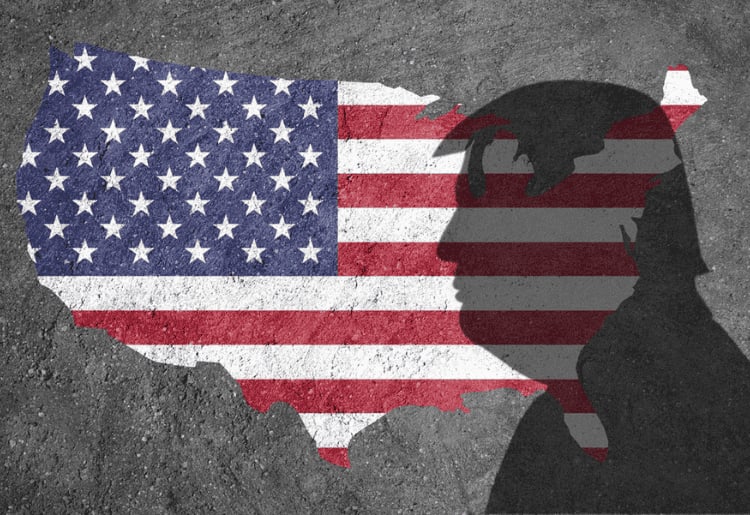
What Trump's Interest Cap Can
Mean For Your Credit Card Debt
What Trump's Interest Cap Can Mean For Your Credit Card Debt
President Donald Trump has recently reignited a contentious debate in
American finance with his proposal to cap credit card interest rates at 10%.
Written by
March 2, 2025
This announcement comes amid soaring credit card debt, which has reached
approximately $1.166 trillion, and average interest rates that exceed 20%.
As many Americans grapple with the burden of
high-interest payments, this proposal could have profound implications, potentially reshaping the
consumer credit landscape.
» Consumers should always remain
vigilant and consider their options when managing credit—whether through traditional means or by
exploring our best debt consolidation plans.
The Proposal and Its Context
Trump’s proposal, made during a rally in September 2024,
aims to provide immediate relief to working Americans struggling with escalating debt. Trump indicated
that his administration intends to establish a temporary cap on credit card interest rates to help
working Americans who struggle to manage their financial burdens.
This sentiment resonates with many consumers who face monthly interest
payments exceeding $100 on average balances of $6,500. Under Trump's plan, those payments could drop
significantly, allowing borrowers to pay off their debts more efficiently. However, the proposal is
not without its critics.
Financial analysts warn
that while a cap could alleviate immediate financial pressure for many consumers, it may also lead
to unintended consequences that could hinder access to credit in the long run.
Potential Benefits of Trump's Credit Cap
One of the most significant advantages of capping interest
rates at 10% would be the reduction in interest payments for cardholders.
For instance, a consumer with a $6,500 balance at an
interest rate of 21.5% currently pays about $116 monthly in interest. If the rate were capped at 10%,
that payment would drop to approximately $54—a substantial saving that could help many families manage
their finances more effectively.
Moreover, lower interest rates could facilitate
faster debt repayment. With reduced monthly payments, borrowers would have more flexibility
to allocate funds toward principal repayment rather than interest charges. This shift could lead to
quicker financial recovery for those burdened by high credit card debt.
Possible Drawbacks of Trump's Credit Cap
Despite these potential benefits, there are significant
drawbacks to consider. One major concern is that banks may tighten lending criteria in response
to a mandated cap on interest rates.
Financial institutions typically rely on higher interest
rates to offset the risks associated with lending to higher-risk individuals. If they can only charge
10%, they may become more selective about whom they lend to, potentially leaving many consumers without
access to credit.
Additionally, banks might eliminate rewards and
perks associated with credit cards as they adjust their business models to accommodate lower profit
margins. Many consumers enjoy benefits such as cashback or travel rewards; however, these
perks could be sacrificed to maintain profitability.
Furthermore, if access to traditional credit becomes more
restricted due to tighter lending practices, some consumers might turn to alternative forms of
borrowing, such as payday loans. These options often come with exorbitant fees and can trap
borrowers in a cycle of debt that is even harder to escape.
Economic Impact of Trump's Proposed
Interest Caps
The broader economic implications of this proposal are also worth
examining.
Financial
analysts predict that capping credit card interest rates could significantly disrupt the market. The
American Bankers Association has already expressed concerns about how such a policy might affect
lending practices and overall market stability.
Moreover, this proposal raises inflation concerns. Lower interest
rates on credit cards could potentially increase consumer spending, and some economists worry about
the impact on inflation, especially if this policy is implemented alongside other economic measures
aimed at stimulating growth.
The Current Political Landscape
Interestingly, Trump's proposal has received attention
from opposing political parties. Senator Bernie Sanders has publicly endorsed
the idea and plans to introduce legislation supporting it. This rare moment of agreement between
political opposites highlights the widespread recognition of the challenges of high-interest credit card
debt.
However, passing such legislation may prove challenging. The
political landscape is fraught with obstacles as legislators navigate competing interests from both
consumer advocates and financial institutions. The potential for legal challenges also looms large;
banks may resist changes that fundamentally alter their business models.
Frequently Asked Questions
How would a 10% interest rate cap impact the
availability of credit cards?
A cap on interest rates may lead banks to tighten their
lending criteria significantly. With reduced profit margins from lower rates, financial institutions
might become more selective in approving credit card applications, particularly for higher-risk
borrowers. This could result in fewer people being able to get credit cards or access lines of credit
altogether.
What are the potential hidden costs of Trump's
proposed interest cap?
While capping interest rates may seem beneficial initially,
hidden costs could arise. For instance, banks might increase penalty fees or reduce other benefits by
adjusting their business models to maintain profitability. These changes could offset some savings
consumers expect from lower interest rates.
Could Trump's proposal lead to increased
penalty fees for consumers?
Yes, it’s possible that as banks adapt to lower allowable
interest rates, they might compensate by increasing penalty fees for late payments or other infractions.
This shift would place additional financial burdens on consumers who may already be struggling with
debt.
Bottom Line: What Could Trump's Credit Cap Proposal Mean For Americans?
As discussions around Trump’s proposed cap on credit card
interest rates unfold, consumers must weigh the potential benefits and drawbacks carefully. While
capping rates at 10% could provide immediate relief for those grappling with high-interest debt, it’s
crucial to consider the broader implications for access to credit and potential shifts within the
financial industry.
Understanding how these policies might affect personal
finances is vital for making informed decisions about borrowing and spending habits in the future.
Written byMeagan Drew
Meagan Drew is a personal finance and loans expert at BestMoney.com. She has
written for publications such as Investopedia, Apple News+, and SimpleMoneylyfe.com. With seven years of
experience as a financial advisor, Meagan specializes in making complex topics like budgeting and
investing accessible and engaging for everyday consumers.