Whether you're traveling for business or pleasure, you'll
need foreign currency to make the most of your overseas experience.
From our best online banks to local exchange
offices, you'll find plenty of options for converting your money.
However, fees and exchange rates can vary significantly depending on
your choice. We've researched the best places to exchange foreign currency before,
during, and after your trip.
Key Insights on Exchanging Foreign Currency
- Exchanging foreign currency at your local bank or credit union can save you on ATM fees and
may offer better exchange rates.
- Mobile banking apps offer low-rate currency exchange services plus international debit cards
for convenient overseas spending.
- Check your credit cards first—many offer zero foreign transaction fees and competitive
exchange rates.
How to Exchange Currency
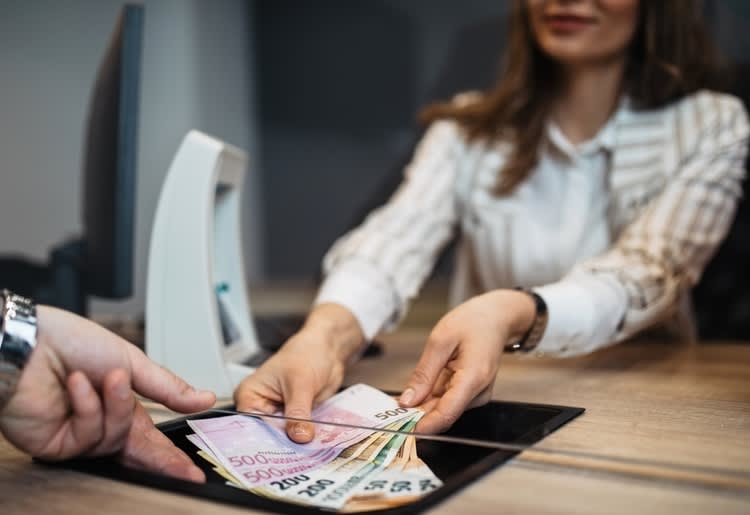
You can exchange money at banks, credit unions, or currency exchange
offices. Many credit cards also offer fee-free transactions abroad, making them a convenient option
for international purchases.
If you choose to exchange at a bank, call ahead to check if they carry
the currency you need. Not all banks stock every type of foreign currency—in this case, you might need
to wait until you arrive at your destination to exchange money at a local bank.
Here's how to exchange currency at a bank or credit union:
- Contact the bank to learn their exchange rates or check online
- Choose how much you'd like to exchange
- Order foreign currency online for delivery—or exchange in person at a local branch
Note: You may need an open checking or savings
account with the bank to exchange currency.
Best Places to Exchange Currency Before and After Traveling
- Local banks and credit unions: Planning ahead to
exchange your dollars at these institutions will give you access to competitive rates and convenient
service. Many banks offer fee-free exchanges with rates you can verify online, though you should call
to confirm current rates before choosing.
- Currency exchange apps: Digital platforms like
Wise or Revolut offer transparent rates and low fees through mobile apps, making currency exchange
simple and accessible.
Places to Avoid Exchanging Currency
- Airport currency exchange offices: These locations
offer convenience but typically charge high fees and provide poor exchange rates. You should only use
them as a last resort, as exchanging money before your trip is much more cost-effective.
- Exchange kiosks abroad: These are commonly found
in tourist areas and local markets, but they often have unfavorable rates and charge additional fees
that significantly reduce your money's value.
- Currency exchange ATMs: While these machines
provide convenient access to local currency, they typically charge high exchange rates and multiple
fees. Your bank will likely charge foreign transaction charges, and the ATM operator will charge
additional fees.
Where Else Can You Exchange?
Once you arrive at your destination, you may want to take out more
cash for shopping and paying for local expenses. Using an ATM is the most convenient but usually the
most expensive.
Another option is using a service like Wise to exchange foreign
currency digitally. Wise comes with a debit card that charges a very low foreign transaction fee—and you
can hold up to 40 different currencies in your account simultaneously.
Alternatives to Exchanging Currency
While having local cash is helpful for international travel, you
don't necessarily need to exchange currency before going abroad. Here are some alternatives worth
considering:
Credit Cards
Using credit cards for international purchases can be both safe and
cost-effective.
“
Credit cards often provide competitive
exchange rates, reducing the need for carrying large amounts of cash.
– Jacob Rothman, CFP, and
founder of Rothman Investment Management
He mentions that travelers can choose cards without foreign
transaction fees and research their destination's payment preferences, as some countries primarily
operate on cash transactions.
Fee-Free Debit Cards
Several banks offer debit cards designed for international use without
foreign transaction fees. For example, Schwab provides a checking account with no international
transaction fees or ATM charges, making it easy to access your money worldwide without incurring extra
costs.
Bottom Line
Smart currency management is essential for international travel.
Planning ahead and exchanging currency through your local bank or credit union typically offers the most
cost-effective solution. Currency exchange apps also provide competitive rates and convenient
international debit cards.
If you prefer to minimize cash transactions, credit cards and debit
cards with no foreign transaction fees offer a seamless way to make purchases abroad. Regardless of your
choice, comparing exchange rates before your trip will help you maximize your travel budget.