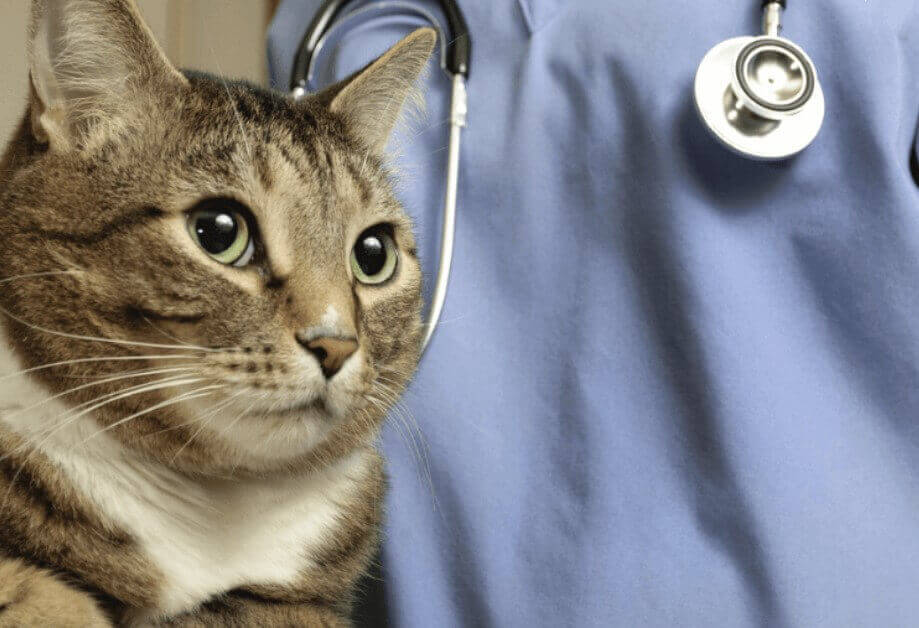
There’s no denying that kittens have a lot to offer, including joy,
companionship, and unconditional love.
While they make great pets, caring for them
is not cheap. If you own a kitty or plan to in the near future, kitten insurance is
worth exploring.
With the right insurance coverage for your budget, you can
save on vet bills and reduce the risk of financial stress due to your kitty’s health care needs. To
help you narrow down your options of the top pet insurance providers, the
BestMoney team uncovered this list of the best kitten insurance. We focused on a number of categories,
including coverage terms, availability, costs, claims process, and customer service.
Kitten Pet Insurance at a Glance
Lemonade offers
kitten-specific wellness coverage while Pumpkin’s
rates are the lowest and Spot makes it
a breeze to customize your policy.
Embrace enrolls kittens as
young as 6 weeks old and Pets Best offers low
deductibles starting at $50.
ASPCA Pet Health is a
smart option for a budget-friendly, accident-only plan whereas Fetch is a better choice if you’re seeking unique
coverages for items like boarding fees and virtual vet visits.
Healthy Paws stands out
for no limits, and Figo is one of the only pet
insurers with a 100% reimbursement rate.
CarePlus by Chewy can
reimburse you for 100% of your kitten’s prescription food and meds, as long as you buy them from
Chewy.
Why we like Lemonade for kittens:
Lemonade has designed a special wellness plan for young cats. Known as Preventative
for Kittens, it covers a wellness exam, vaccines, wellness testing, spay/neuter surgery,
microchipping, and flea/tick or heartworm medication. Plus you’ll get access to the medical advice
chat, which can come in handy if you have a pressing question related to your kitty’s health.
While Lemonade’s rates for kittens are already affordable,
you can maximize your savings with its discounts for multiple pets, bundling, and annual payments. As
an added bonus, Lemonade offers a 2-day waiting period for injuries, which is much shorter than the
typical 14-day period imposed by most insurers.
Pros
Add-ons for vet visit fees, behavioral conditions, and
more
Instant payout on some claims
Giveback program donates a portion of premiums to
nonprofits
Why we like Spot for kittens: Spot knows that kitty
parents have varying needs and budgets. That’s why the insurer offers both accident-only plans for those who are
cost-conscious as well as accident and illness policies for kitten owners who prefer more comprehensive
coverage.
There are also deductibles ranging from $100 to $1,000 and several
annual limit options, including unlimited limits.
Fortunately, you don’t have to worry about lifetime caps on
accidents and illnesses. In addition, Spot’s higher-tier Platinum preventative care option can reimburse you for
vaccines, a spay/neuter procedure, and other routine care services to keep your kitty healthy.
Pros
Covers prescription food and behavioral therapies
Access to VetAccess, a 24/7 helpline
Discounts for multi-pet owners, AAA members, select employees,
and Blue365 members
Cons
Higher rates for kittens
14-day waiting period for accidents and illnesses
Must upgrade to the Platinum preventative care policy for
spay/neuter coverage
Why we like Embrace for kittens: Many pet insurers
will insure your kitty once they turn 8 weeks old. However, Embrace offers pet insurance for kittens as young as
6 weeks old. The pet insurance company also makes it easy to save on your premiums with the Healthy Pet Discount
Program. You’ll enjoy lower rates if you don’t file claims for your kitten in the first few years.
Other perks include coverage for unlimited vet visits and a Wellness
Rewards program to offset the costs of routine vet care for your kitten. This add-on can reimburse you for
grooming, nutritional supplements, spay/neuter surgery, vaccines, and pet activity monitors, all of which can
set your kitty up for a lifetime of good health.
Pros
Includes PawSupport, a 24/7 helpline
Access to special discounts from popular vet brands
$25 bonus for enrolling your kitten in Wellness Rewards
Why we like Pets Best for kittens: If you’d like to
minimize out-of-pocket expenses during the initial years of your kitty’s life, a low-deductible plan from Pets
Best might make sense. You can choose from three tiers of accident and illness coverage along with multiple
deductible options: $50, $100, $200, $250, $500, and $1,000.
In addition to accident-only and accident-illness plans, Pets Best
offers two tiers of wellness policies. The more expensive BestWellness coverage may be worth it for your kitty
as it includes spaying and neutering, teeth cleaning, microchipping, preventative medications, wellness exams,
and blood work.
Pros
Enrolls kittens at 7 weeks old
Pets Best mobile app simplifies claims filing
Discounts for multiple pet owners, military members, and Farmers
Insurance policyholders
Cons
Accident-only plan features a set deductible of $250
Exam fees cost extra
Only higher-level EssentialWellness pays for a spay/neuter
procedure
5. ASPCA Pet Health – Best for their accident-only
plans
Why we like ASPCA Pet Health for kittens: For
accident-only coverage, ASPCA Pet Health is a solid pick. With this plan, you can protect your finances from the
high out-of-pocket costs associated with common kitten injuries, such as broken bones, leg injuries, poisoning,
insect stings, and foreign object ingestion. You can always upgrade to the accident and illness plan if and when
you want more comprehensive coverage.
ASPCA Health also provides a Preventive Care add-on. Offered in two
tiers, the Prime option covers spaying or neutering, the FVRCP vaccine/titer, FELV test, and other vital routine
care services for kittens. Plus there are several discount options to help you save on your kitty insurance
plan.
Pros
Accident and illness plan reimburses kitty owners for
prescription food and supplements
Incldudes 24/7 vet helpline
Unlimited annual coverage is available
Cons
Can find cheaper premiums elsewhere
Only the Prime wellness plan covers spay/neuter surgery
Why we like Fetch for kittens: For robust coverage
for your kitty, Fetch should be on your radar. Its comprehensive accident and illness plan can reimburse you for
dental care, holistic and alternative treatments, boarding fees if your kitten has to stay in the hospital, and
advertising and rewards fees to help you find them if they go missing.
Fetch even covers up to $1,000 in virtual vet visits for your
kitten, giving you the option to receive basic medical care in the comfort of your own home. Plus you won’t have
to wait long to get reimbursed as the pet insurer processes most claims within 2 business days. When you
consider all that Fetch kitten insurance has to offer, you may find its value to be exceptional.
Pros
Three-tiers of wellness plans for kittens
Covers vet-prescribed supplements
Top-rated mobile app
Cons
Caps annual limits at $15,000
Must upgrade to the more expensive wellness plan for
microchipping, behavioral exam, health certificate, and activity monitor coverage
Why we like Healthy Paws for kittens: Most kittens
depend on a lot of vet visits and medical care in their initial years of life. Fortunately, Healthy Paws offers
no limits on its kitty insurance plans. Once you enroll your kitten, you won’t have to keep track of
per-incident, annual or lifetime caps. They can recieve the services they need, when they need them.
Additionally, the pet insurance company may pay your vet directly
for approved claims, helping you save on upfront vet bills. Speaking of claims, Healthy Paws advertises a 2-day
turnaround time, which is much faster than what you may get with other insurers.
Why we like Figo for kittens: Standard
reimbursement rates for kitten insurance are 70%, 80%, and 90%. If you prefer a 100% reimbursement rate,
however, Figo is one of the only pet insurance companies to offer it. This can help you reduce out-of-pocket
costs, especially if you pair it with the unlimited annual limit option and don’t mind slightly higher premiums.
Figo’s accident and illness plan includes behavioral training,
alternative therapies, veterinary specialist treatments, prescription medications, and nonroutine dental
treatments. Plus, you can add on a “Powerup,” to secure coverage for routine care services, prescription food,
and vet exam fees.
Pros
24/7 virtual vet access
Covers a personalized pet tag to help find a missing kitty
Why we like CarePlus by Chewy for kittens:
Depending on your kitty’s health and needs, your vet may prescribe food and medications. If you choose
kitten insurance from CarePlus by Chewy, you can enjoy 100% coverage for these items. CarePlus by Chewy policies
which come from Trupanion and Lemonade might reimburse you for 100% of your pup’s prescriptions, supplements,
and prescription food. The only caveat is that you must buy them from Chewy directly.
Most of CarePlus by Chewy come with unlimited annual coverage and
may be able to pay your vet directly, eliminating the need for high upfront costs. Wellness plans are available
as well to reimburse you for annual checkups, vaccines, spay/neuter surgery, and other services to help you take
a proactive approach to your kitten’s health.
Why we like Pumpkin for kittens: If you’re looking
for the best deal on a kitten insurance policy, Pumpkin has you covered. Its premiums are lower than what you’ll
find through many other pet insurance companies. Plus its coverage is robust and there’s a Preventive Essentials
Plan for Cats and Kittens. This add-on includes an annual wellness exam, one vet-approved vaccine each year, and
an annual fecal test for intestinal worms.
Depending on where you live and the vet you choose, Pumpkin may even
offer you a custom preventative care package. While Preventive Essentials is only available with a standard
accident and illness plan, Pumpkin’s Wellness Club is an option if you prefer standalone wellness coverage for
your kitty. The Wellness Club subscription plan comes with a 24/7 pet helpline.
Pros
Robust coverage, which includes microchipping, exam fees, and
prescription meds
Offers unlimited annual limits for kittens
Four annual deductible options ranging from $100 to $1,000
Cons
No mobile app for easy claims filing
Longer, 14-day waiting period
Follows a reimbursement model with no option to pay vets
directly
Methodology: How We Picked the Best Kitten Insurance
To nail down the best kitten insurance, the BestMoney team initially
researched pet insurance companies that cover kittens. Then, we considered minimum age requirements for
enrollment as well as the following categories:
Coverage terms: We looked at various kitty
insurance coverages offered by each pet insurance company, such as accident-only, accident and illness, and
wellness plans. Our team also paid close attention to deductible, annual limit, and reimbursement rate
options.
Availability: We researched the geographic
presence of each pet insurer. Many pet insurance companies serve kitten owners in all 50 states but some
limit their availability to select states.
Costs: We prioritized affordable kitten
insurance premiums as it can be expensive to own a kitty. In order to do so , our team pulled real-time
quotes for kittens of different breeds and in several locations.
Claims process: We evaluated the claim filing
process of each pet insurance company. Our team considered average turnaround times as well as filing
options.
Customer service: We researched how long each
pet insurance company has been in business. Then, we explored reviews from reputable third-party review
sites, such as TrustPilot and the Better Business Bureau (BBB).
To read our extended methodology for researching pet insurance
companies, click here.
What Is Kitten Insurance?
Kitten insurance is a pet insurance policy for kittens.
“
Since pet insurance usually does not cover
pre-existing conditions, signing up while a kitten is young helps secure coverage for hereditary, congenital,
and chronic conditions that may develop later in life,
Batteiger also notes that since kittens are highly
active and can be prone to accidents, infections, and unexpected illnesses so early coverage is especially
beneficial. Most pet insurance companies insure kittens as young as six to eight weeks old, ensuring robust
coverage from the start.
Kitten Pet Insurance Requirements
Eligibility requirements for kitten insurance vary by pet insurance
company. In most cases, however, kittens must be at least six or eight weeks old before you can enroll
them. Some companies may also impose an upper age limit, making it harder to get cat insurance cover
later for an adult cat.
You may also have to take your kitty to a vet for a thorough exam
and submit medical records to allow pet insurers to evaluate their current health status and anticipate future
needs.
Often, insurers require a complete medical history from all
veterinary visits the pet has had while under its owner's care. This helps determine coverage eligibility
based on the kitten’s full health background, including pre-existing conditions and details about your
cat's breed.
How Much Is Pet Insurance for a New Kitten?
On average, premiums for kitten insurance fall in the $22 to
$32 per month range.
The cost of pet insurance for a new kitten depends on several factors, including
your location, the age of your kitty, their cat s breed, the coverage you choose, and the insurance company
you decide on. Some pet owners opt for an accident only plan for affordability, while others prefer more
comprehensive insurance coverage that also helps cover routine care.
6 Key Features of Good Kitten Insurance
1. Accident and Illness Coverage
“Kittens are curious and can be prone to accidents, making coverage
for injuries, infections, and illnesses essential,” explains Batteiger. While accident and illness plans are
more expensive than an accident only plan, they are often worth it for kittens.
2. Hereditary and Congenital Condition Coverage
Many cat breeds are predisposed to genetic conditions that may not
appear until adulthood. Some pet insurers cover these conditions as long as they are not pre existing
conditions.
3. Chronic Condition Coverage
Some kittens develop chronic conditions, such as allergies, kidney
disease, and cancer. These diseases require lifelong treatment, so choosing a plan that provides ongoing
insurance coverage is essential.
4. No Per-Condition Limits
“Some insurers cap how much they’ll pay for a specific condition
over the kitten's lifetime,” explains Batteiger. This can be problematic if you’d like continuous coverage.
Look for a provider with no per-condition limits to ensure cat insurance cover remains strong as your kitten
grows into an adult cat.
5. Customizable Plans
Flexibility is important for pet owners with varying budgets and
needs. The ideal pet insurance company will offer a variety of deductibles, annual limits, and reimbursement
rates. You should be able to play around with different plan options via each insurer’s online quote tool.
6. Wellness Coverage
Add-on wellness plans can be a real
lifesaver if you want to save on routine care costs for your kitty. Most of them cover routine services like
spaying/neutering, microchipping, vaccinations, wellness exams, flea/tick prevention, and other essential care.
How to Find the Best Insurance for Your Kitten
These tips can help you hone in on the best insurance for your
feline friend:
Shop Around
Take the time to do your research and compare multiple pet insurance
plans. Get quotes from at three different providers so you can easily compare premiums, coverage options,
add-ons, waiting periods, claim turnaround times, and customer service.
Look for Discounts
Most pet insurance companies offer discounts to make it more
affordable to insure your kitty. Search for discount opportunities and take advantage of all that apply to you.
Some of the most common discounts include the multi-pet discount, annual payment discount, military discount,
and veterinary employee discount.
Don’t Wait to Insure
Enroll your kitty cat as soon as you can. “Signing up as soon as
possible ensures that hereditary conditions aren’t classified as pre-existing, securing the most comprehensive
coverage,” says Batteiger. Just remember you may need to take your cat to the vet for an exam beforehand.
Ask Your Network
If you know other kitten owners, ask them if they have any insurance
recommendations. It’s also a good idea to ask your vet as they’re likely familiar with different insurers and
can help you determine the right one for your cat’s unique needs.
Consider Wellness Plans
Kittens require frequent vet visits for vaccinations, parasite
prevention, and early screenings. “Adding wellness coverage can help manage these routine costs,” explains
Batteiger. While a wellness policy will increase your premiums, it can provide additional peace of mind and save
you a lot of money in the long run.
Bottom line: Kitten insurance can help pet owners save money on vet
bills while protecting their cats from unexpected health costs. The best time to enroll is when your kitty is
young and healthy—before any pre existing conditions develop. Choose a plan with the right mix of accident,
illness, wellness, or even an accident only plan to ensure your kitten grows into a healthy, happy adult cat.
Frequently Asked Questions
When Should You Insure a Kitten?
Most insurers allow coverage starting at 6 to
8 weeks. It’s best to buy coverage as soon as they’re eligible so they’re
protected early, before any health conditions develop.
What
Is the Best Age to Buy Cat Insurance?
The best age to buy cat insurance is when your
cat is still a kitten. Insuring early typically means lower premiums,
broader coverage, and protection before pre-existing conditions can develop.
How
Old Should a Kitten Be for Its First Vet Visit?
Kittens should see a vet at 6 to 8 weeks
old. This visit helps assess their overall health and ensures they receive
the first round of necessary vaccinations on time.
How
Much Is Vet Insurance for a Kitten?
Kitten insurance usually costs $22–$32 per
month. The exact price depends on the insurer, your location, your cat’s
breed, and the coverage level you choose.
Is Pet Insurance Worth It for a Kitten?
Yes, pet insurance is usually worth it for
kittens. It can save you from high unexpected vet bills and ensure your
pet has access to care throughout its life.
You may also like
Feb 3, 2026
Cheapest Pet Insurance Providers for Dogs & Cats 2026
If you want to keep your pet healthy and happy without breaking the bank,
you might be in the market for cheap pet insurance.
How Much Does Pet Insurance Cost? Complete 2026 Guide
As a pet owner, you're likely aware of how quickly veterinary bills
can add up, especially in emergencies. Pet insurance can help manage these costs, but you may wonder:
how much is pet insurance, and is it worth the investment?
Anna Baluch is an insurance and finance expert at BestMoney.com. She has written
for Forbes, Newsweek, Credit Karma, CNN, and many other top publications.