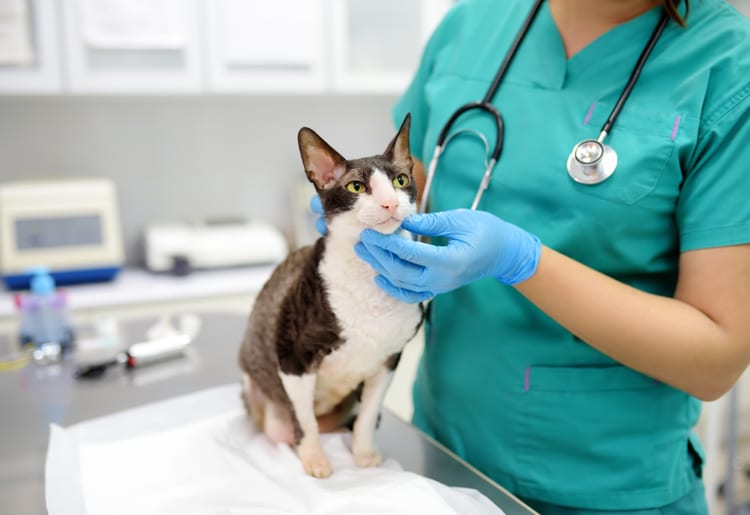
Preventive Care: Investing in Your
Pet's Future Health
Preventive Care: Investing in Your Pet's Future Health
Written by
June 23, 2025
As pet owners, we all want our furry companions to live long, happy lives.
Pet insurance preventive care is one of the best ways to ensure this.
This proactive approach helps keep our animals healthy, saves us
money, and reduces stress by addressing potential health problems before they escalate.
By exploring options from the best pet insurance providers, you can support
your pet’s health journey. So, how can investing in preventive care now lead to a healthier and longer
life for your pet?
Key Insights
Pet insurance with preventive care promotes pet longevity through early health
problem detection.
Complete pet preventive care involves check-ups, vaccines, dental care, and
proper nutrition.
Insurance preventative care plans increase access to routine pet healthcare
and wellness services.
Preventive care improves pets' quality of life while giving owners peace
of mind.
What is Preventive Care for Pets?
Preventive care for pets includes various routine services designed to
maintain their health and catch any potential issues early on. This typically involves regular vet
check-ups, vaccinations, screenings, and other routine treatments that help keep your pet in tip-top
shape.
Why Preventive Care Matters
The long-term benefits of preventive care are significant. Regular
check-ups allow veterinarians to detect health issues before they become serious, ultimately extending
your pet's life expectancy.
For example, catching dental disease early can prevent more severe
health problems down the line.
Cost-Effectiveness of Preventive Care
Investing in preventive care may seem like an added expense, but
it's a smart financial strategy. You can avoid costly emergency treatments and complex medical
interventions by catching potential health issues early.
Regular check-ups, vaccinations, and proactive health monitoring can
save thousands of dollars in long-term veterinary expenses, making preventive care a financially wise
choice for responsible pet owners.
Key Components of Preventive Care
Here are some essential aspects of preventive care that every pet
owner should consider:
Routine veterinary check-ups: Regular vet visits
are crucial for monitoring your pet's health and catching issues early. During these check-ups,
your veterinarian will assess your pet’s overall condition, perform necessary tests, and provide
guidance on maintaining their health.
Vaccinations and parasite control: Keeping your
pet up-to-date on vaccinations is vital for preventing common diseases. Additionally, parasite
control—such as flea, tick, and heartworm prevention—can help protect your pet from serious illnesses
related to these pests.
Dental care: Oral health is often overlooked but
is essential for preventing periodontal disease and other health issues associated with poor dental
hygiene. Regular dental cleanings and at-home dental care can keep your pet’s mouth healthy.
Nutrition and weight management: A balanced diet
tailored to your pet's specific needs is crucial for preventing obesity and related health
problems like arthritis or diabetes. Working with your veterinarian to create a weight management plan
can help keep your pet fit and healthy.
Grooming and skin care: Regular grooming keeps
your pet looking good and helps prevent matting, skin infections, and other dermatological issues.
Bathing, brushing, and checking for unusual lumps or bumps should be part of your routine.
Age-Specific Preventive Care
Different stages of life require different approaches to preventive
care:
Puppies and kittens: Early vaccinations are
essential for young pets. Socialization during this period is also critical in helping them grow into
well-adjusted adults. Establishing healthy habits early on sets the foundation for a lifetime of good
health.
Adult pets: For adult pets, continued routine care
is vital. Monitoring for common age-related issues like arthritis becomes increasingly important as
they age. Maintaining a healthy weight is crucial during this stage as well.
Senior pets: Senior pets often require frequent
vet visits to monitor conditions such as kidney disease, diabetes, or cognitive dysfunction. Joint
care supplements may also be beneficial as they age.
Preventive Care and Mental Health
Preventive care isn't just about physical health; it also
encompasses mental well-being:
Socialization and behavior training: Early
socialization and training are key to preventing behavioral issues later in life. A well-socialized
pet is generally happier and less anxious in new situations.
Mental stimulation and enrichment: Providing
mental exercises—like toys and puzzles—contributes significantly to cognitive health. Activities can
also help prevent issues like anxiety or depression in pets.
How Pet Insurance Can Support Preventive Care
One way to make preventive care more accessible is through pet
insurance preventative care plans:
Coverage for Routine and Preventive Services
These plans typically include routine services like vaccinations, wellness exams, and dental cleanings, helping pet owners manage the
financial aspects of maintaining their pet's health.
By alleviating the financial burden of preventive treatments, these
insurance options make it easier for pet parents to provide consistent, high-quality healthcare
throughout their pet's life.
Discounts and Benefits
Some insurance providers, like Spot Pet Insurance, offer additional
benefits like spaying/neutering and parasite prevention in its Platinum preventative care
package. This can encourage you to stay on top of your pet’s healthcare needs without breaking the bank.
Choosing the Right Pet Insurance Plan
Selecting the ideal pet insurance plan requires careful consideration
of coverage details, reimbursement levels, and wellness benefits. Focus on finding a plan that matches
your pet's specific health needs, considering their age, breed, and
potential medical risks.
The Long-Term Benefits of Preventive Care
Investing in preventive care offers numerous long-term benefits, such
as:
Better quality of life: Preventive care helps pets
maintain an active lifestyle by addressing potential health issues before they become serious
problems.
Early detection of serious health problems:
Catching diseases early allows for timely treatment before they escalate into more
significant concerns or become expensive to manage.
Peace of mind for pet owners: Knowing you’re doing
everything possible to keep your pet healthy provides reassurance that you’re making the right choices
for their well-being.
Bottom Line
By investing time and resources into a preventive care routine—backed
by the right pet insurance coverage—you’re setting the stage for a happier future
together. Regular vet visits combined with proactive measures will lead to better outcomes and peace of
mind, knowing you’re giving your pet the best life possible.
You may also like
Nov 16, 2025
Does Pet Insurance Cover Vaccinations? Here’s What to Know
While standard policies focus on accidents and illnesses, many owners are surprised to learn
that preventive care like vaccines isn’t automatically included.
How Much Does It Cost to Spay or Neuter Your Pet? Complete Price Guide
These procedures can improve your pet's behavior, reduce the
risk of unwanted pet pregnancies, lower the risk of uterine infections in female pets, and even
reduce the risk of cancer.
Meagan Drew is a personal finance and loans expert at BestMoney.com. She has
written for publications such as Investopedia, Apple News+, and SimpleMoneylyfe.com. With seven years of
experience as a financial advisor, Meagan specializes in making complex topics like budgeting and
investing accessible and engaging for everyday consumers.