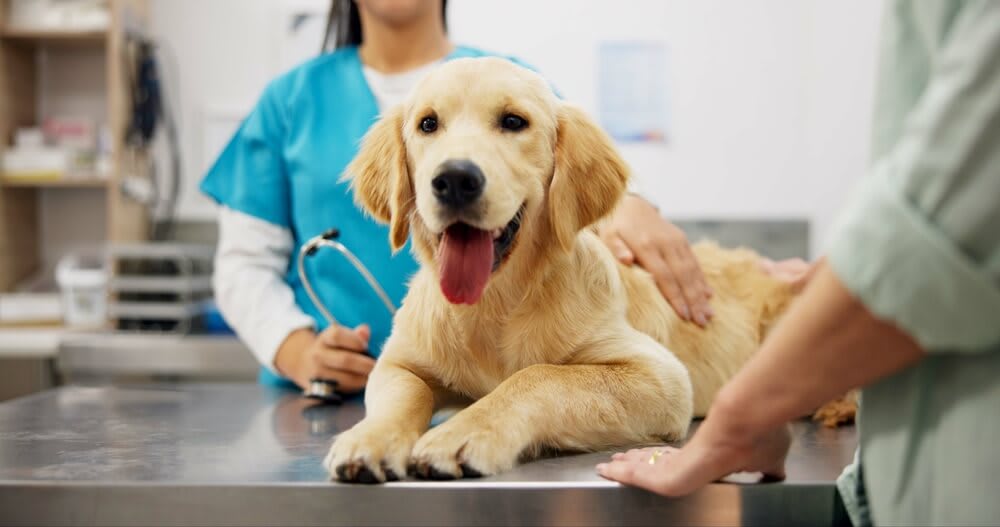
When your beloved pet receives a cancer diagnosis, the last thing you
should worry about is how to afford their treatment.
Written by
June 12, 2025
Did you know nearly 6 million dogs face a cancer diagnosis each year?
Cancer treatments for your furry family members can quickly become
expensive, which is why coverage from the best pet insurance companies can be such a relief
during difficult times.
Having the right policy in place means you can focus on what
matters—your pet's recovery—instead of worrying about mounting vet bills. A good insurance plan
helps shoulder those costs, making it possible to provide the care your beloved companion needs.
Here's what you need to know about pet insurance and cancer
coverage.
Key Insights
Pet insurance covers cancer care but excludes pre-existing conditions.
Cancer treatment expenses range from $125 consultations to $10,000+ total
therapy costs.
Pets with diagnosed cancer have limited insurance options for new, unrelated
conditions.
Alternative payment methods include vet plans, medical credit, charities, and
crowdfunding.
Does Pet Insurance Cover Cancer Treatments?
In most cases, yes, pet insurance does reimburse for cancer treatment;
however, timing is crucial. Your pet can't already have cancer when you purchase the policy, as pre-existing conditions aren't covered.
"If a pet is diagnosed with cancer after the policy is in place,
treatments such as diagnostics, radiation therapy, chemotherapy, surgery, hospitalization,
rehabilitation, and complementary therapies (like acupuncture or hydrotherapy) may be covered, helping
pet parents afford life-saving care," explains Amber Batteiger, PR &
communications manager at Embrace.
Remember that coverage details vary between providers. “Pet parents
should read the policy details as some plans may have waiting periods before coverage begins or may
impose limits on certain types of treatments,” explains Dr. Bethany Hsia,
veterinarian and co-founder of CodaPet.
You don’t want to end up in a situation where you think your pet
insurance will cover your pet’s cancer care and later find out that the waiting
period hasn’t passed or that their provider doesn’t pay for holistic or experimental treatments.
Can You Get Pet Insurance for a Pet With Cancer?
If your pet has already been diagnosed with cancer, it can be very
challenging to secure coverage. “Most insurers will consider cancer a pre-existing condition, which
means that they won't cover any treatment related to that condition once it has been diagnosed.
“Some pet insurance companies might offer limited coverage for
unrelated pet health issues or provide policies that cover new conditions after a waiting
period,” says Hsia. Keep in mind that if a pet has been treated for one type of cancer, insurance may
still cover other illnesses or new, unrelated cancers that develop later.
By being proactive with preventative pet care and investing in
pet insurance early on, you can ensure your pet receives the coverage they may eventually need for any
acute or chronic conditions, like cancer.
How Much Does Pet Cancer Treatment Cost?
The cost of cancer treatment varies greatly and depends on factors
such as the type of treatments performed, your location, and the oncologist you choose. According to
CareCredit, initial consultation fees with an oncologist fall in the $125 to $250 range. Chemotherapy,
which is a common therapy for cancer, is usually $150 to $600 per dose.
If radiation is required, it may be anywhere from $1,000 to $6,000,
depending on whether it’s a palliative or curative intent protocol. Since chemo treatment typically
takes at least several months, its total cost can go up to $10,000 or more.
Fortunately, pet insurance may make these expenses more manageable, so
you can focus on improving your pet’s health rather than your finances.
Paying for a Pet With Cancer: How to Afford Treatment
"Facing a pet cancer diagnosis is overwhelming, but financial
constraints shouldn't limit access to quality care," says Batteiger. These tips can make it
easier to pay for cancer treatment for your furry friend.
Explore payment plans: Many veterinary clinics
offer payment plans that allow you to spread out the cost of treatment over time. This can make
expensive procedures more affordable.
Look into medical credit cards: "CareCredit
is a credit card specifically designed for health-related expenses, including veterinary care,"
explains Hsia. It often offers no-interest periods if paid within a set timeframe. Traditional credit
cards work, but only if you secure a 0% APR offer or can pay the balance in full monthly to avoid
interest charges.
Seek financial assistance programs: Some
non-profit organizations and charities might provide financial assistance specifically for pets
undergoing cancer treatment, especially if you meet certain criteria. The Pet Fund, Petco Love, and
Best Friends Animal Society are several examples.
Apply for crowdfunding: "Crowdfunding
platforms like GoFundMe allow pet owners to create fundraising campaigns to gather support from
friends, family, and strangers who want to help with medical expenses," says Hsia.
Negotiate with your vet: Don't hesitate to
discuss your financial concerns with your veterinarian. "They may be able to suggest less
expensive treatment options or adjust their fees based on your situation," explains Hsia.
Start a pet fund: Open a bank account specifically
for your pet and their healthcare expenses. Even if you contribute $20 to it every month, you'll
have some cash to put toward vet bills for various conditions, including cancer. Ideally, you'd
park your funds in a high-yield savings account and earn some interest.
Conclusion
Finding out your pet has cancer is devastating, but having the right
financial protection can provide peace of mind during a difficult time. Look for comprehensive cancer
coverage with reasonable premiums, waiting periods, and pet insurance deductibles. The
investment today could save both money and heartache tomorrow.
Frequently Asked Questions
Does Lemonade pet insurance cover cancer?
Yes, Lemonade will cover cancer treatment, as long as the condition
isn't pre-existing and the treatments are not considered experimental.
Is dog cancer covered by insurance?
Pet insurance may help pay for cancer treatment for dogs, as long as
they were diagnosed with the condition after the policy was purchased. Most pet insurers don't
cover cancer treatment if it's a pre-existing condition that a dog had beforehand.
What dog breeds are prone to cancer?
According to the National Canine Cancer Foundation, Golden Retrievers, Boxers, German Shepherds,
and Rottweilers are more susceptible to cancer diagnosis than other breeds.
You may also like
Dec 17, 2025
Pet Insurance that Covers Pre-Existing Conditions: What You Need to Know
Understanding pre-existing conditions is crucial if you're
considering pet insurance for your furry friend. This knowledge can help you choose among the
best pet insurance companies and potentially save you from significant financial stress.
The Best Time to Get Pet Insurance: Age and Health Considerations
Wondering when to buy pet insurance? The best time to get coverage
is before your pet needs it. Many owners wait until their dog or cat develops a health issue,
but by then, most pet insurance plans won’t cover pre-existing conditions.
Understanding Pet Insurance Waiting Periods & How They Work
When you buy a pet insurance policy, coverage doesn't begin
instantly. Most providers require a waiting period—a short window of time between when you
enroll and when your benefits officially start. Understanding how waiting periods work is key to
avoiding surprises, especially if your pet gets sick or injured shortly after enrollment.
Anna Baluch is an insurance and finance expert at BestMoney.com. She has
written for Forbes, Newsweek, Credit Karma, CNN, and many other top publications.